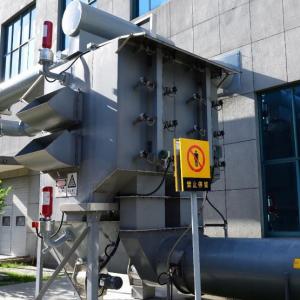
How to Prevent Noise from Diesel Generator Sets
Diesel generator sets are widely used for standby and prime power supply, but their noise during operation often affects the surrounding environment and personnel comfort. Controlling noise at the source and along the transmission path can effectively reduce noise pollution and meet environmental and safety requirements.
First, vibration isolation is the most fundamental measure. Install rubber pads, spring dampers or floating floors under the generator base to block structural vibration and solid-borne noise. Proper fixation and balanced operation also lower mechanical noise.
Second, exhaust noise control is critical. Equip the exhaust pipe with professional mufflers—usually a combination of primary and secondary silencers—to reduce high‑pressure exhaust noise. The exhaust pipeline should be properly laid to avoid excessive backpressure and additional noise.
Third, sound insulation and absorption can greatly weaken airborne noise. Use sound‑absorbing materials such as mineral wool, sound‑absorbing panels and perforated boards on walls, ceilings and doors of the generator room. A fully enclosed soundproof cabin or canopy can reduce noise by more than 30 dB while protecting the unit from weather damage.
Fourth, ventilation noise reduction ensures safe operation while suppressing noise. Install sound‑attenuating louvers and labyrinth‑type silencers at air intake and exhaust outlets. This design allows cooling air to pass through but blocks noise leakage.
Last, regular maintenance helps keep noise at a low level. Check the engine, fan, belt and fastening parts to avoid abnormal noise caused by loose components, wear or poor lubrication. A well‑maintained generator runs more smoothly and quietly.
By combining vibration isolation, muffling, sound insulation, ventilation treatment and routine maintenance, diesel generator sets can operate in a low‑noise, stable and environmentally friendly manner.
Related News